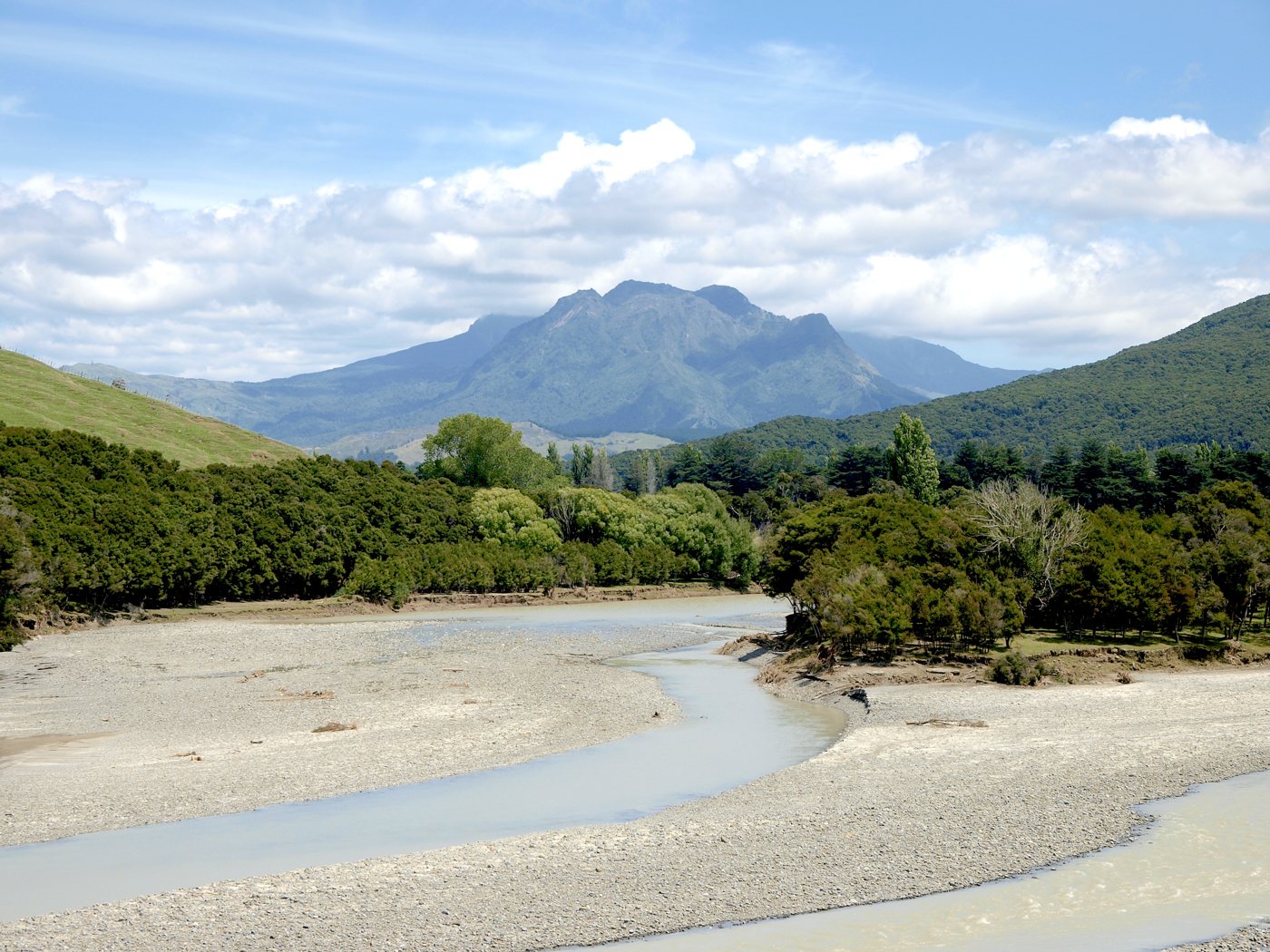
Gisborne and Tairāwhiti are known for surf beaches, a strong Māori cultural identity and the long East Coast road around the North Island’s eastern tip. Gisborne is the main city, where rivers, a working harbour and town beaches sit close together. Beyond it, SH35 links small coastal communities, while inland roads lead through orchard and farming country towards Rere and Eastwoodhill.
The region is much bigger than a Gisborne city break. Tolaga Bay / Uawa and Tokomaru Bay can be explored from the city, but Ruatoria, Te Araroa and Wharekahika / Hicks Bay belong to a slower coastal journey. Allow nights along the way if you want time with local guides, a proper walk or an unhurried meal. The coastline looks compact on a North Island map; the roads do not behave like a motorway.
This guide brings those choices together, from two days around Gisborne to a week continuing towards Ōpōtiki and Bay of Plenty. You will find practical bases, shorter outings, named places to stay and routes with room for stops. Access matters here: road recovery, private land and seasonal restrictions are part of planning the trip, rather than details to discover at the gate.
What makes Gisborne and Tairāwhiti worth visiting?
There is a useful balance between town comforts and places where you need to make your own plans. You can begin with the museum and a waterfront walk, learn to surf with an instructor, then spend the following day among Eastwoodhill’s trees. Farther up the coast, bays, community businesses and local histories give each settlement a reason to stop.
The cultural context is central to a visit. Gisborne / Tūranganui-a-Kiwa and the northern Ngāti Porou coast have distinct histories and relationships with the land. An iwi-led heritage trail or an authorised maunga experience adds more than a roadside photograph. Choose experiences publicly offered to visitors, and leave room for your hosts’ arrangements rather than expecting every significant place to function as an attraction.
Gisborne city: rivers, heritage and an easy first base

Gisborne is the practical place to arrive, buy supplies and settle into the region. The central streets, riverfront and Waikanae Beach fit together well for a first day, while Midway and Wainui give you different beach options nearby. Stay in town if you want a broad choice of food and a flexible wet-weather plan; stay near a beach if a slower coastal morning matters more than walking to dinner.
Tairāwhiti Museum is a worthwhile starting point, with regional history, taonga and changing art exhibitions. The nearby city centre is a short walk across the river. Follow part of Tupapa: Our Stand. Our Story to hear tangata whenua perspectives on voyaging, settlement and encounters with Europeans. It is more useful than treating the waterfront monuments as isolated photo stops.
Titirangi, often called Kaiti Hill, overlooks the city and bay. Its walks and vehicle access need a current check, particularly during events around Te Poho o Rawiri Marae. Keep it as a weather- and access-dependent addition rather than making a summit drive the only thing on your arrival-day plan. Our Gisborne city guide compares neighbourhoods, accommodation and one- or two-day visits.
Tolaga Bay / Uawa and Tokomaru Bay

SH35 north from Gisborne reaches Tolaga Bay first, with Tokomaru Bay farther up the coast. These are separate communities, not one beachfront resort. Tolaga works well for a wharf-side stop, local food and the Cooks Cove walk when open. Tokomaru rewards time along the bay, with a meal, heritage interpretation and an overnight that breaks the journey north.
Tolaga Bay Wharf’s full historic length should not be your walking promise. Council reports document structural deterioration and a closure beyond the halfway point. Use only the signed open section, or enjoy the view from shore. The old photograph above predates those restrictions. Near the wharf, DOC’s Cooks Cove Walkway information describes a 5.8 km return walk taking about 2½ hours, with hills, farmland and an annual lambing closure. It is a planned outing, not a ten-minute detour.
In Tokomaru, Café 35 is a named food stop and Te Puka Tavern combines waterfront hospitality with accommodation options. At Waima, old port and freezing-works structures help explain a time when shipping connected these communities to markets. View them from lawful public areas; a ruin or an old wharf is not permission to enter. See Tolaga Bay, Uawa and Tokomaru Bay for a day-trip choice and a better-paced overnight version.
Ruatoria, Te Araroa and the northern coast

Beyond Tokomaru, the road continues through Ngāti Porou country towards Ruatoria and Tikitiki, then Te Araroa and Wharekahika / Hicks Bay. Ruatoria is the departure base for Maunga Hikurangi Tours. Bookings, weather and the exact meeting instructions shape the day. The guided four-wheel-drive experience and an independent mountain tramp are very different undertakings; neither is an extra summit stop on a busy driving day.
St Mary’s Church at Tikitiki is significant as a war memorial and an example of the cultural revival associated with Sir Āpirana Ngata. Heritage New Zealand lists it as private with no public access. Do not assume the interior is open because an older guide recommends it. Only arrange entry through the appropriate local custodians, and otherwise keep any stop to lawful public areas.
At Te Araroa, Te Waha o Rerekohu is a remarkable pōhutukawa with cultural meaning as well as size. Respect current boundaries and signs. East Cape Lighthouse is currently inaccessible to the public according to Maritime NZ; it is not included as a walk in our routes. A drive on East Cape Road is a separate, conditional outing requiring a local road check. The Ruatoria, Te Araroa and East Cape guide explains these distinctions and the northern overnight options.
Beaches, surfing and Tatapouri

The best beach depends on what you want to do. Waikanae and Midway are convenient for a city-based walk or a beach session, Wainui has a strong surf identity, and Makorori is another exposed coastal choice farther along SH35. None should be described as safe for swimming simply because there is sand or a surf club nearby. Choose current conditions and an operating patrol, not a photograph.
A lesson with Surfing with Sarah or New Wave Surf School gives beginners a location and session suited to that day’s sea. Confirm the meeting point, equipment and transport when booking. At Tatapouri, Dive Tatapouri’s Reef Ecology Tour is a guided reef outing scheduled around tides and conditions. It involves uneven ground and wading, so ask about young children and mobility rather than assuming it is a dry, level wildlife viewing platform.
For a beach-focused stay, Tatapouri Bay Oceanside Accommodation offers camping and several accommodation categories, while Gisborne keeps meals and supplies close at hand. The beaches and surfing guide helps you choose a coast outing without duplicating a full city itinerary.
Inland Tairāwhiti: Eastwoodhill and Rere

The inland roads offer a useful change from the surf coast. Eastwoodhill National Arboretum is about 35 km from Gisborne, with an official driving allowance of roughly 30 minutes before traffic or stops. Give it at least a couple of hours if you enjoy trees, gardens and walking. Its easier paths, playground and visitor facilities make it a good family choice without needing a long rural expedition.
Rere Falls is farther inland on the same general excursion, with a separate natural rockslide nearby. You can enjoy the waterfall from land and have a picnic without entering the river. Water quality, flow, submerged hazards and the slippery rock surface make the rockslide a different decision from a scenic stop. Check council information and signs, and keep a dry alternative in the plan.
Cyclists should distinguish a short Gisborne shared-path ride from the much longer Rere Falls Trail. That route uses rural roads and gravel, with traffic and logistics to consider. Motu Trails connections extend towards Matawai and Ōpōtiki; they are not a flat family cycleway beside every inland attraction. Our Rere, Eastwoodhill and inland Tairāwhiti guide covers route choices and accommodation.
Māori history and travelling respectfully
Tairāwhiti is not one interchangeable cultural story. Around Gisborne, Tupapa presents accounts from Ngāti Oneone, Ngāi Tāmanuhiri, Rongowhakaata and Te Aitanga-a-Māhaki. At Uawa, Cooks Cove interpretation was developed with Te Aitanga-a-Hauiti. Farther north, Te Rūnanganui o Ngāti Porou provides an authoritative starting point for understanding Ngāti Porou’s people and rohe, the area of their ancestral connections.
European arrival and later farming, shipping and industry sit within those longer histories. The museum and local interpretation help you understand both exchange and conflict, rather than reducing the region to the place where Cook arrived. Marae, urupā and private farmland are not open visitor sites by default. Ask before entering or photographing a ceremony, and follow local hosts’ advice about conduct at cultural places.
Where to stay: choose your base first
Gisborne for choice and a short holiday
Waikanae Beach TOP 10 Holiday Park suits families, campers and travellers comparing simple cabins with more equipped accommodation. Its ocean-view apartments have kitchens and living spaces, while basic cabin categories use different facilities. Portside Hotel is a central harbour-side alternative: studios have kitchenettes, whereas the Portside’s two-bedroom apartment has a full kitchen and laundry. Book the category that fits your group and cooking plans.
For a more rural couples’ stay near Gisborne, Matawhero’s vineyard cabins offers vineyard cabins. It is a different choice from a central hotel: arrange meals, tasting plans and transport rather than assuming everything is within walking distance.
Coast nights between Gisborne and the Cape
Tolaga Bay TOP 10 Holiday Park is useful for the wharf area and a Cooks Cove day, with sites and accommodation categories to compare. Te Puka Tavern accommodation gives Tokomaru Bay a practical waterfront overnight, including units advertised for up to five; confirm bedding and kitchen equipment directly. These smaller bases trade the city’s range of services for less backtracking and more time in the bay.
Hicks Bay Motor Lodge is a northern option at Wharekahika / Hicks Bay, with self-catering and simpler room categories. Confirm the specific unit and food arrangements before arrival. Do not rely on Te Araroa Holiday Park as a confirmed overnight: reopening after flood damage was not established during this guide’s preparation, despite continuing tourism listings. Book a confirmed alternative rather than arriving on the strength of an old listing.
Inland and beach stays
Eastwoodhill accommodation includes room and bunk options using a communal kitchen, plus a private-ensuite studio category. Bring food; it is not a late-night restaurant base. Tatapouri Bay Oceanside Accommodation suits a coastal stay near Gisborne, but its log cabins, self-contained choices and camping categories have different facilities. A sea view does not tell you whether you have your own bathroom.
Short walks and outings at a glance
| Outing | Allow and check |
|---|---|
| Gisborne riverfront and Oneroa path | Choose a 30–60 minute out-and-back. Urban paths; use a short section to suit children and access needs. |
| Tairāwhiti Museum | Allow 1–2 hours. Paid admission for visiting adults; check current hours and exhibits. |
| Tupapa: Our Stand. Our Story | Full trail about 4 km, including the climb towards Titirangi. Choose a shorter waterfront section if needed; check access. |
| DOC’s Cooks Cove Walkway information | 5.8 km return, about 2½ hours. Hill walking; annual lambing closure 1 August to Labour Weekend. Check DOC alerts. |
| Eastwoodhill’s official walking map: Blue Walk | 2 km, about 45 minutes, rated easy by the arboretum. Paid entry; confirm current route and access needs. |
| Rere Falls | Allow 20–40 minutes for a dry sightseeing/picnic stop. This is our planning allowance, not a measured walking circuit. |
| Dive Tatapouri’s Reef Ecology Tour | Book a tide-dependent guided reef session. Confirm duration, suitability and check-in with the operator. |
Suggested Gisborne and Tairāwhiti itineraries
Driving allowances below are for planning, before sightseeing, roadworks or unusual weather. The through-coast routes depend on both your accommodation and current SH35 access. Keep a spare night or an alternative if the weather forecast is poor.
Two days: Gisborne without a big coast drive
Day 1 — city and waterfront. Overnight: Gisborne. Visit the museum, follow part of Tupapa and walk a manageable waterfront section. Add Titirangi only if access and conditions suit. Stay near the centre or Waikanae for an easy evening.
Day 2 — one coastal experience. Finish: Gisborne. Choose a booked surf lesson or Tatapouri reef tour, with its confirmed departure shaping the day. Allow roughly 20–30 minutes to Tatapouri from the city before check-in. Leave the other half of the day for a beach look or a relaxed meal, rather than driving to East Cape.
Three days: city, inland and Uawa
Day 1 — Gisborne. Overnight: Gisborne. Begin with the museum and city heritage, then a short Waikanae or Midway outing. Keep arrival-day driving light if you have come from Hawke’s Bay.
Day 2 — Eastwoodhill and Rere. Overnight: Gisborne. Allow around 35–45 minutes to Eastwoodhill as a generous planning allowance, then roughly another 20–30 minutes towards Rere. Choose a garden walk and waterfall visit, with a picnic and a dry plan if river conditions are poor. Allow about an hour back from Rere before stops.
Day 3 — Tolaga Bay. Finish: Gisborne. Allow about an hour each way to Tolaga Bay before works. When open, Cooks Cove is the main half-day outing. Alternatively, choose the signed open wharf area, town food and a shorter coast stop. Tokomaru Bay adds driving and is optional, not compulsory.
Five days: Gisborne to Ōpōtiki via SH35
Day 1 — Gisborne arrival. Overnight: Gisborne. Settle in, explore the riverfront and learn some local context at the museum. Buy the supplies you want for the rural stages.
Day 2 — inland day. Overnight: Gisborne. Visit Eastwoodhill and choose whether to continue to Rere. A coast-based family day can replace this if you prefer a lesson or reef booking. Do not try to fit every activity into this one day.
Day 3 — Uawa to Tokomaru Bay. Overnight: Tokomaru Bay. Allow about an hour to Tolaga, then another 45–60 minutes to Tokomaru before delays. A Cooks Cove walk can fit if you start early and leave the rest flexible. Otherwise make time for the communities, a meal and the bay.
Day 4 — Ruatoria, Tikitiki and the northern coast. Overnight: Wharekahika / Hicks Bay. Allow roughly 2–3 hours of driving across the day from Tokomaru through the northern settlements, plus stops and works. Respect the church’s private-access status and lighthouse closure. This is not also a Maunga Hikurangi tour day.
Day 5 — west to Ōpōtiki. Finish: Ōpōtiki. Allow roughly 3–4 hours from Hicks Bay before stops, with time for coastal breaks and current traffic controls. You cross into Bay of Plenty along this leg. An onward drive to another region is additional, so a booked night in Ōpōtiki or nearby is sensible.
Seven days: room for the coast and a guided maunga experience
Day 1 — Gisborne. Overnight: Gisborne. Start with the museum, central streets and a waterfront meal rather than a long transfer to the northern coast.
Day 2 — beaches and a booked activity. Overnight: Gisborne. Arrange a surf lesson or Tatapouri tour, then keep time for one nearby beach. Confirm the reef tour’s tide-based schedule before deciding on lunch.
Day 3 — Eastwoodhill and Rere. Overnight: Gisborne. Spend a full day inland with a suitable garden walk, picnic and waterfall stop. Leave river entry out when conditions or water quality are unsuitable.
Day 4 — Tolaga to Tokomaru. Overnight: Tokomaru Bay. Make Uawa the morning focus and continue north in daylight. Take Cooks Cove only when open and suitable; otherwise spend longer with town and coastal stops.
Day 5 — pre-booked Maunga Hikurangi experience or a local day. Overnight: Tokomaru Bay. Allow roughly 45–60 minutes to Ruatoria before check-in, subject to works. A confirmed daytime guided experience can take much of the day; the provider’s exact timings control the plan. For a dawn departure, arrange accommodation and an early transfer with the operator rather than assuming this base is close enough. If no tour is running, enjoy a slower bay day.
Day 6 — Tikitiki, Te Araroa and Hicks Bay. Overnight: Wharekahika / Hicks Bay. Travel north with room for breaks and current access instructions. Choose a shore-based Te Araroa outing or an officially confirmed open part of East Cape Road; do not build the day around the closed lighthouse walk.
Day 7 — continue to Bay of Plenty. Finish: Ōpōtiki. Give SH35 west from Hicks Bay a full travel day with breaks, allowing about 3–4 hours’ driving before stops and works. Continue your regional planning with our Ōpōtiki guide rather than treating this as a return drive to Gisborne.
Roads, weather, fuel and family travel
SH2 is the usual link south towards Wairoa and Napier, or northwest through Waioweka Gorge, also seen as Waioeka Gorge on maps, towards Ōpōtiki. SH35 takes the longer coastal route. Allow roughly 3½–4½ hours from Napier to Gisborne before breaks and roadworks, and around 2½–3½ hours between Gisborne and Ōpōtiki via the gorge in ordinary conditions. The coast deserves overnights, not a claim that it is an effortless detour around any closure.
Check NZTA Journey Planner, SH35 recovery information and SH2 Waioweka Gorge recovery information immediately before travelling. The council’s Gisborne District Council road information covers local roads and access spurs. Recovery and wet-weather closures can change plans quickly. Do not substitute an unfamiliar gravel back road because a phone suggests a faster route, especially in a rental campervan. Our New Zealand driving guide explains the wider road-trip habits.
Fill the tank and buy supplies in Gisborne before a rural stage. Confirm fuel, food and your accommodation’s arrival arrangements farther up the coast; a settlement name on a map does not guarantee late service or payment options. Download maps and booking details before leaving reliable coverage. In a coastal earthquake, follow the local tsunami evacuation signs and move inland or uphill after a long or strong shake rather than waiting at the beach for an alert.
Summer gives longer days, but exposed beaches, UV and crowded holiday accommodation still need planning. Spring can be good for a road trip once seasonal walks reopen; autumn brings colour at Eastwoodhill. Winter can suit the city and short outings, with fewer daylight hours and more reason to keep weather and road margins. Book school-holiday stays, and avoid setting the last night far from a fixed flight when heavy rain is forecast.
For families, mix one substantial outing with simple beach or play time. The museum, garden paths and waterfront are useful alternatives to long driving days. Swimming depends on conditions and water quality: consult council swimming-water advice and Safeswim, especially after rain. Council warns against several lagoons even when they look calm.
Costs, bookings and onward connections
Free waterfront walks and scenic stops can balance paid highlights such as a lesson, reef tour or cultural experience. Compare actual room categories: a basic cabin, shared-kitchen room and full apartment can have very different total meal costs. Use live provider prices for bookings; avoid assuming that rural accommodation is always cheaper than Gisborne. Our travel-budget guide helps with the wider holiday budget.
Council seasonal camping is not unrestricted parking by the sea. A permit and specific facilities are required at designated summer areas; check council summer-camping rules and permits before choosing an overnight. Commercial campsites are often simpler for visitors needing showers and reliable cooking facilities. See our campervan guide and rental-car guide for vehicle choices.
Connect south with the Hawke’s Bay regional guide, or northwest with Ōpōtiki and eastern Bay of Plenty and the Bay of Plenty hub. Use our North Island road-trip guide for the wider loop, allowing extra days for this coast. If the connections are becoming awkward, our free personalised itinerary service can help you make a workable route.