Hokitika is a small West Coast town with a beach beside its centre, pounamu studios to explore and lakes and forest a short drive inland. It sits south of Greymouth on State Highway 6, making it an easy overnight between the central coast and Glacier Country.
The town is worth more than a quick photograph at the beach sign. Stay long enough for a museum or carving visit and a meal, then give Hokitika Gorge or Lake Kaniere its own part of the day. They are separate inland outings, not stops beside the main highway on the way to Franz Josef.
Quick take
One night works for a town walk and one scenic outing. Two nights let you combine town, gorge and lake without squeezing everything around arrival and departure. Stay centrally for dinner on foot or choose a unit or holiday park for self-catering. Greymouth is roughly 40 minutes north; Franz Josef is around 1¾–2 hours south before stops. See the West Coast regional hub for the longer route.
Hokitika town, beach and gold-rush history
The centre is compact enough to explore on foot once you have parked. The beach is close by, so it is easy to combine shops, a café and a walk without repeatedly moving the car. Enjoy the open coast from a sensible distance; this is exposed surf, not a sheltered family swimming spot.
Hokitika grew rapidly during the 1860s gold rush, and its commercial buildings and museum collections help explain why such a small town has a substantial history. Hokitika Museum is a useful place to start, particularly on a wet day. Check its current exhibition and visitor information rather than relying on older reports about the building or opening arrangements.
For children, mix a short indoor visit with beach or town time rather than expecting a full afternoon in galleries. Keep a spare dry layer in the car. A blustery beach stop is often enough before everyone is ready for lunch.
Pounamu: choose a meaningful visit or purchase
Pounamu is a taonga for Ngāi Tahu, with ancestral, spiritual and cultural importance. Hokitika’s studios provide a chance to learn about the material and the making, rather than treating every green pendant as an interchangeable souvenir. Ask who made a piece, where its stone came from and what the design means to its maker.
Ngāi Tahu’s pounamu guidance explains ownership, traceability and designated public beach fossicking areas. Do not collect stone from a river, or assume that any West Coast beach allows collecting. If a carving workshop interests you, confirm the actual session length, age requirements and what is included before booking.
Hokitika Gorge

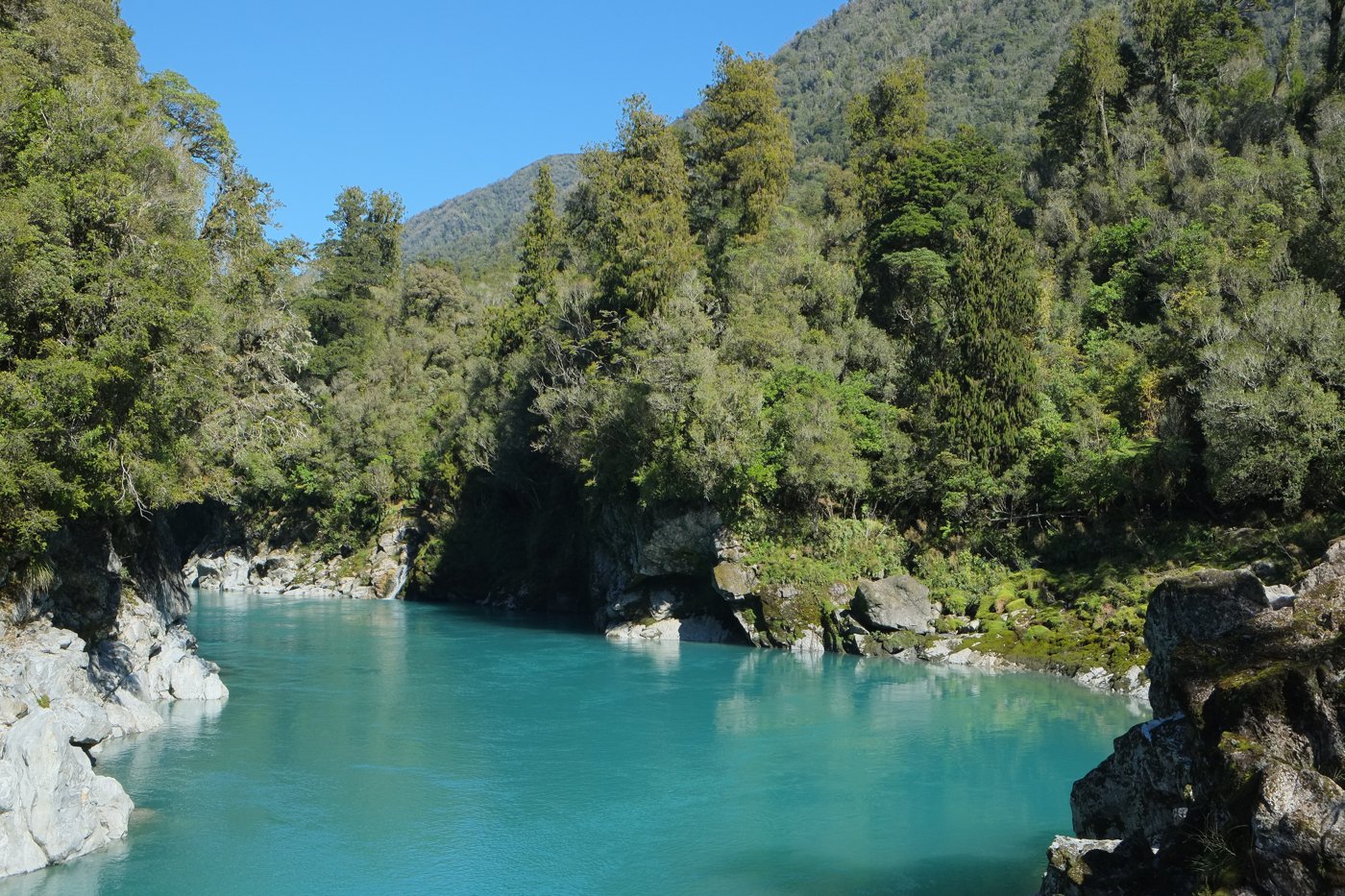
The gorge is the best-known inland outing, with a forested river corridor and views down to the water. The blue-green colour depends on conditions: after rain, sediment can change it considerably. Go for the river setting and walk, with the bright colour a bonus rather than a promise.
The current DOC gorge page describes a short first viewpoint, a bridge section and a longer walking option. The first viewpoint is 150 metres, about four minutes one way, on a wheelchair-accessible approach. That does not make every part of the longer walk equally accessible. Allow around an hour for a more complete visit, with extra time if your group moves slowly.
The car park is around 30 minutes from town. DOC lists toilets, including an accessible toilet, but no drinking water; bring your own. There is no swimming in the cold, fast river. Follow the current route and signs, not an old map showing former access arrangements. Check the DOC alerts before leaving town, especially after heavy rain.
Lake Kaniere and an easier inland afternoon
Lake Kaniere offers a change from the gorge: more open space, lake views and options for a picnic or short forest outing. Hans Bay is a sensible area to consider for a relaxed visit. Use DOC’s Lake Kaniere short-walk information to choose the actual track that suits your group.
Do not confuse a short lake outing with the much longer walking routes around the reserve. Nor should you assume every road around the lake is an equally suitable rental-car or campervan approach. Choose the access for the place you want to visit and check local conditions.
If you have only one full day, decide whether the gorge’s river views or the lake’s picnic-and-walking pace suits you better. Combining both is possible with enough time, but can make a family day feel like a series of car journeys. A town morning and one inland afternoon is often more enjoyable.
Where to stay
Central hotel for meals out
Beachfront Hotel Hokitika is worth comparing if you want a town-centre base near the beach and places to eat. It suits couples and short road-trip stays that do not depend on cooking. Compare the exact room category and outlook when booking; a hotel’s name does not mean every room has the same view.
Beachfront units and camping
Shining Star Beachfront Accommodation offers a different style of stay, with units and holiday-park options. Its Spa Chalet is a couples-oriented option with kitchenette facilities and mezzanine accommodation; check the stairs if mobility or young children are a consideration. Families should compare the actual family unit and occupancy rather than booking a couples category and assuming extra beds.
For a campervan, book the appropriate site and use the park’s facilities. A paid site can be worthwhile for showers, laundry and a settled evening before the longer southern leg. Check your total price, bedding and facilities rather than comparing only the lowest headline room rate.
Food and rainy-day options
Fat Pipi Pizza is a specific casual dinner choice in town. Hokitika visitor information’s food directory lists further options including Stumpers. Check current hours and make a dinner booking if your arrival is late or falls in a busy period.
For wet weather, combine the museum, studios and a proper lunch. Do not use a rainy day as an automatic reason to drive inland: river levels and track conditions can be worse there. If rain is heavy, a shorter town day may be the better decision, with the gorge saved for the next morning.
One- and two-day plans
One day — town and one inland outing. Start with Hokitika’s centre, a studio or museum visit and lunch. Drive to the gorge in the afternoon if conditions are suitable, allowing around an hour’s return driving plus the walk. Finish with dinner in town. Swap the gorge for Lake Kaniere if a picnic and shorter walking suit your group better.
Day 1 — arrive and enjoy town. Overnight Hokitika. Drive south from Greymouth, park and spend the afternoon locally. This is a useful place to restock, do laundry and avoid another long day on the highway.
Day 2 — an inland day with flexibility. Overnight Hokitika, or continue south early enough. Make the gorge your main morning outing. Return for lunch, then choose Lake Kaniere only if you have the time and energy. If continuing to Franz Josef, allow 1¾–2 hours’ driving before breaks and skip the second inland outing rather than arriving late.
Practical advice and the next leg
Parking once and walking around the centre is simpler than trying to find a new space for every shop. Follow signed time limits and use designated parking at scenic stops; do not leave a campervan obstructing narrow road shoulders. Carry water and weather layers for inland visits, and check NZTA road conditions before your next stage.
Northbound, use the Punakaiki and Greymouth guide. Southbound, our Franz Josef and Fox Glacier guide explains current viewpoints and flight choices. The regional hub links the whole journey, and our trip-cost guide helps compare a town hotel with a self-catering stop.