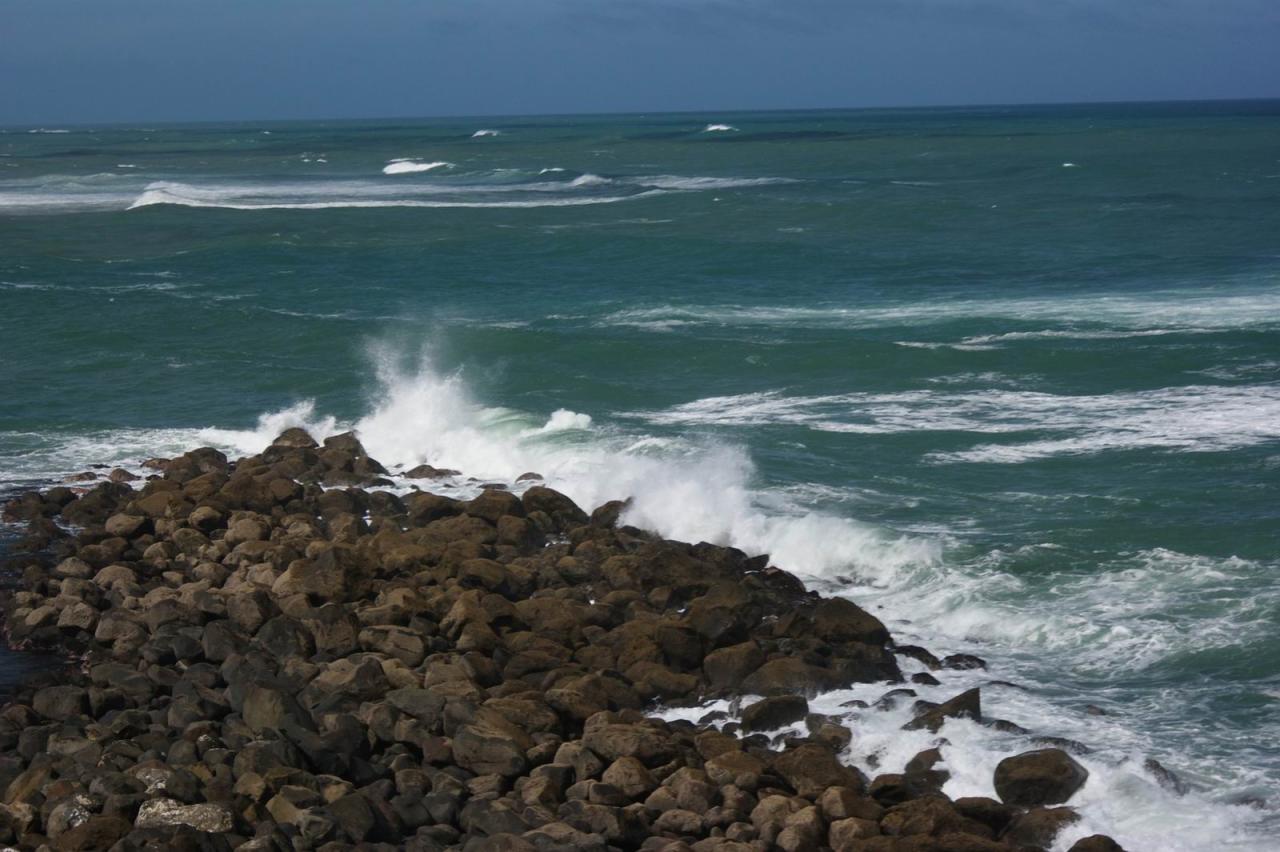
Surf Highway 45 follows Taranaki’s western coast from New Plymouth to Hāwera, passing Ōakura, Ōkato, Pungarehu, Ōpunake and Manaia. The mountain is inland, while side roads lead to beaches, reefs and small coastal settlements. Much of the main road runs through farmland, so allow time to turn off rather than expecting uninterrupted ocean views.
You can drive the route in a day, but staying in Ōpunake makes it less about collecting stops. Hāwera, at the southern end, is useful for Tawhiti Museum and an onward journey on SH3. This guide helps you choose a few worthwhile outings rather than trying every beach access road.
Quick take
Best for a coastal drive, beach-town overnight and local history. Allow roughly two hours driving New Plymouth–Hāwera before detours, with a full day for stops. Stay overnight in Ōpunake for a slower version. All drive times here are planning allowances.
Ōakura — an easy first coastal stop
Ōakura lies southwest of New Plymouth, around 20 minutes away by car. It is a useful first stop if you want beach time without committing to a full-day circuit. Have a walk, find lunch in the village and decide whether the weather suits a longer coastal drive.
This is a surf coast, with changing swell and rip conditions. Swimming between lifeguard flags when a patrol is operating is the sensible choice. Do not interpret a sheltered-looking corner or a photograph of calm water as a safety assessment. With small children, a beach walk and play on dry sand may be the better outing.
Pungarehu and Cape Egmont
Near Pungarehu, Cape Road leads to Cape Egmont Lighthouse. It is a worthwhile detour for the coastal setting, but do not assume the tower is open for entry. Follow signs and respect surrounding farmland. The separate Historic Cape Light & Museum is at the end of Bayly Road, not at the lighthouse. The regional Surf Highway brochure distinguishes the two and is useful for planning side roads.
Some surf access routes cross private land or have specific permissions. Stick to public access and posted guidance, and do not follow an unverified map pin through a farm. Surf Highway is a road-trip name, not permission to enter every coastal track.
Ōpunake — stay long enough for the beach

Ōpunake is the natural place to slow down on the western side. The beach, headlands and town are a different experience from a hurried lighthouse stop. Choose a short signed section of the local walkways around the lake or coast rather than committing to an entire circuit without checking the route and your available time.
For families, staying near the beach removes another drive at the end of the day. Check surf and patrol conditions before swimming, and supervise children near cliffs, rocks and water. In rough weather, keep coastal walks short and avoid exposed edges. Shops and cafés in the town make it a practical place to buy picnic supplies, though service hours vary.
Hāwera and Tawhiti Museum
Tawhiti Museum is at 401 Ohangai Road outside Hāwera. Its detailed figures and displays make it more than a brief roadside stop. The separate Traders & Whalers experience and railway have their own ticket arrangements, so check which parts interest your group before budgeting time and money.
Opening days are important. The published 2026–27 calendar includes selected days and seasonal changes, not daily opening. Check the provider’s calendar before deciding which day to drive south. It is a useful indoor choice in wet weather when open, but not a dependable backup without that check.
Understand the history along the road
The coast cannot be separated from the history of land confiscation and resistance. Inland Parihaka became a centre of non-violent resistance led by Te Whiti-o-Rongomai and Tohu Kākahi. Crown forces invaded in November 1881. Read the community’s own account for context. Parihaka remains a living community, so only plan a visit through an explicitly offered arrangement.
Puke Ariki in New Plymouth is a good place to begin learning about the region before driving the coast. This adds context to the journey without treating communities as unscheduled attractions.
Where to stay and eat
Ōpunake Beach Holiday Park is the most convenient recommendation for a coastal overnight. Choose a site or shared-facility cabin for a lower-cost stay, or a two-bedroom self-contained unit for your own bathroom and kitchenette. Those units have a hob, microwave and fridge/freezer. Confirm bedding, linen and the maximum occupancy for the exact category.
At the northern end, Fitzroy Beach Holiday Park has basic cabins and two-bedroom motels with full kitchens. Novotel New Plymouth is a hotel option, with kitchen-equipped apartments as a separate category. These suit travellers returning to New Plymouth rather than staying on the coast.
For a sit-down meal at the start or finish of a New Plymouth-based drive, Monica’s Eatery is a useful café choice and Haukai Bistro & Bar at the Novotel provides a hotel restaurant option. On the coast, Butlers Reef in Ōakura is a named restaurant option for a meal stop. Check its menu and service times before building lunch around it, especially on event days. Buy supplies in Ōpunake before a late arrival. A self-contained unit is handy when café hours do not match the day’s driving.
A sensible day drive
Day 1 — New Plymouth to Hāwera. Leave after breakfast, stop in Ōakura, then make the Cape Egmont detour if weather suits. Have lunch in Ōpunake and choose one short beach or lake walk. Continue to Hāwera, allowing about 40 minutes for that final leg. If Tawhiti is a priority, shorten the earlier stops and confirm its opening hours. Finish Hāwera, or add roughly an hour back to New Plymouth on SH3.
A slower overnight version
Day 1 — New Plymouth to Ōpunake. Enjoy Ōakura and the Cape Egmont detour without rushing. Allow about 1½–2 hours driving including the detour, plus stops. Settle into Ōpunake early enough for a beach walk and dinner. Overnight Ōpunake.
Day 2 — Ōpunake to Hāwera. Start with a short local walk, then drive about 40 minutes to Hāwera. Give Tawhiti time if open. Finish Hāwera for travel south, or continue about 30 minutes to Stratford for a mountain-base night.
Road and access checks
Use NZTA’s journey planner for highway notices and follow local signs on side roads. Take extra care turning off a rural highway, and park clear of gates and working access. Keep a flexible plan for wind, rain and rough seas. Museum tickets and opening times should be checked directly, while beach outings need no assumption of lifeguard coverage.
See the Taranaki regional guide for longer itineraries, New Plymouth guide for a city base and Taranaki Maunga guide for the separate mountain access roads.