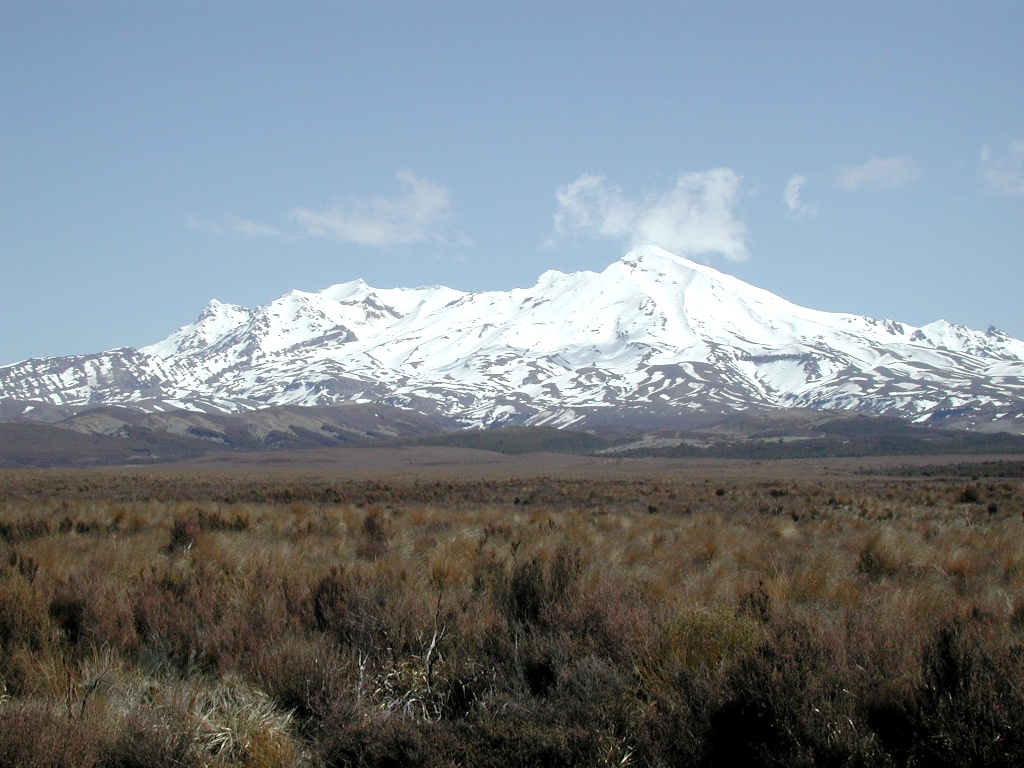
Ruapehu district includes the southern volcanic plateau, small service towns and mountain roads leading to walks that range from a few minutes to a full alpine day. Ōhakune sits on the southern side of Mount Ruapehu, while Waimarino — the village many booking sites still call National Park — is on the western highway junction. Whakapapa is a smaller visitor settlement inside Tongariro National Park, reached by a separate road.
These bases are close enough to combine over a few days, but they offer different stays. Choose Ōhakune for town services and the southern mountain road, Waimarino for road connections and walking shuttles, or Whakapapa to start visitor walks without an early drive. This guide helps you choose a base; our Tongariro National Park guide covers the walking decisions in more detail.
Quick take
Allow two nights for an unhurried mountain visit and three if a major walk is the main reason for coming. A car makes short outings much easier. For the Tongariro Alpine Crossing, book the appropriate shuttle rather than assuming you can leave a rental car at the start all day.

Choose your base
Ōhakune: town services and the southern mountain
Ōhakune has the broadest choice of everyday supplies among these bases, along with cafés, restaurants and accommodation spread between the town centre and the Junction area. Check your property’s location before assuming you can walk to dinner. The mountain road leads towards Tūroa, with waterfall stops below the alpine area; an open road does not mean ski lifts or sightseeing facilities are operating.
Waimarino / National Park village: a useful road junction
The village at State Highways 4 and 47 was officially renamed Waimarino in December 2024. It is outside the national park, despite its familiar former name. It suits travellers arriving by the western highway, people using prebooked walking transport and anyone happy with a compact settlement rather than a larger town. Make dinner arrangements before arriving late.
Whakapapa: stay near the visitor walks
Whakapapa lies inside the park at the end of State Highway 48. The visitor centre, short walks and access road towards the ski area make it a convenient walking base. Services are limited compared with Ōhakune: buy groceries before heading up and check where you can eat on your actual dates.
How the places connect
For planning, allow around 35–45 minutes between Ōhakune and Waimarino, about 20 minutes from Waimarino to Whakapapa, and 50–60 minutes between Ōhakune and Whakapapa by the road around the western side. These are driving allowances in ordinary conditions, before stops. The mountain roads are separate branches: there is no public road across Ruapehu connecting the Tūroa and Whakapapa ski areas.
Check NZTA’s journey planner and the relevant mountain road report before setting out. Snow, ice, wind and road controls can change an otherwise straightforward drive. Keep fuel and food margins when travelling between the smaller settlements.
Short outings from Ōhakune
Mangawhero Falls is a short 5–10-minute return outing from a signed parking area about 16 km up Ōhakune Mountain Road. It is useful when you want a waterfall stop without committing to a long walk. Higher elevation still means colder, changeable conditions; check road access before leaving town.
Waitonga Falls Track starts about 11 km up the same road. DOC gives 4 km return and about 1 hour 20 minutes. Allow more time for children, photographs and wet surfaces. It is a proper bush walk rather than a roadside viewing platform, so take suitable footwear and a layer even when Ōhakune is sunny.
Whakapapa walks and mountain sightseeing
For an easy first visit, start with the visitor centre and choose a short walk suited to the day’s weather. Tawhai Falls is 800 m return, around 15 minutes, with steps. Taranaki Falls is a longer 6 km loop taking around two hours. Despite its name, this waterfall is in Tongariro National Park, not the Taranaki region.
Treat sightseeing lifts separately from a scenic drive. Check the live Whakapapa report and actual operating dates before booking or driving up for a ride. Winter skiing has its own season, tickets, weather and road requirements; check Tūroa’s road and lift report separately from Whakapapa.
Mountain operations — checked 7 November 2026: Whakapapa reports Bruce Road open, with Sky Waka, the shop and Knoll Ridge Chalet closed. Tūroa’s latest report, dated 31 October, says the winter season has finished, with the road open and lifts closed. These are dated operator reports, not a promise of conditions on your visiting day.
A poor forecast is a reason to simplify the day. Have a café meal in town, visit the park visitor centre if accessible, or choose a sheltered lower outing only if conditions and alerts support it. A cancelled alpine walk does not automatically make another exposed mountain walk a safe substitute.
Where to stay
Ōhakune TOP 10 Holiday Park offers several quite different categories. Its Kitchen Cabin sleeps up to four with a queen bed and bunks, cooking equipment and shared bathroom facilities. The two-bedroom self-contained unit sleeps up to six and has its own bathroom, hotplates and microwave. Choose the actual category carefully rather than assuming every cabin has a bathroom.
The Park Hotel in Waimarino suits travellers wanting a hotel and restaurant base. Its Family Mezzanine has a queen bed upstairs and two singles downstairs, sleeping up to four; the stairs matter for some families. The property says it no longer provides a guest kitchen or self-catering facilities, so this is a different choice from a cooking-equipped holiday-park unit.
Whakapapa Holiday Park puts you close to the village walks. DOC lists camping, powered sites and several roofed accommodation options, with shared cooking facilities and a drying room. Book ahead and check the exact cabin or unit facilities. Dogs and open fires are not permitted; a DOC campsite pass does not cover this holiday park.
Food and useful stops
In Ōhakune’s Junction area, Powderkeg at the Powderhorn is an option for a substantial meal after an outing; check its current service times. In Waimarino, Schnapps Bar combines pub food with minigolf when operating. Neither replaces buying groceries if you have chosen a cooking-equipped unit. Carry lunch for walks rather than relying on finding food at a trailhead.
A straightforward two-day visit
Day 1 — Ōhakune and the southern road. Arrive in Ōhakune, leave bags and check the mountain road. Choose Mangawhero Falls for a short stop or Waitonga Falls for a longer outing. Return for dinner and overnight in Ōhakune. Keep the afternoon flexible if the weather closes in.
Day 2 — Whakapapa and the western side. Allow 50–60 minutes to Whakapapa, visit the visitor centre and choose a walk. Taranaki Falls makes a worthwhile half-day with stops; a shorter falls visit leaves more time for onward travel. Finish in Waimarino, or stay another night if you want a fuller park day. A full Alpine Crossing belongs on a separate, deliberately planned day.
Before you book
Accommodation, lift operations and shuttle availability change markedly with school holidays, ski conditions and summer walking demand. Compare cancellation terms, check track alerts close to departure and leave room to change plans. Continue with the Tongariro National Park guide or return to the Manawatū–Whanganui regional guide for the city, river and countryside parts of the trip.